
7 Khatiyan Types in Odisha That Could Save Your Land
Here's what I tell every client who walks into my office: "Show me your khatiyan, and I'll tell you how safe your land really is." Last month, a farmer from Cuttack lost ₹32 lakhs because he didn't understand his khatiyan type. The fraudster knew exactly which type was vulnerable - the farmer didn't.
I've helped hundreds of families with exactly this problem. Your khatiyan isn't just a document - it's your shield against land grabbers, your key to bank loans, and your children's inheritance protection. But here's a secret most people don't know: not all khatiyans offer the same protection.
What Exactly Is a Khatiyan in Odisha?
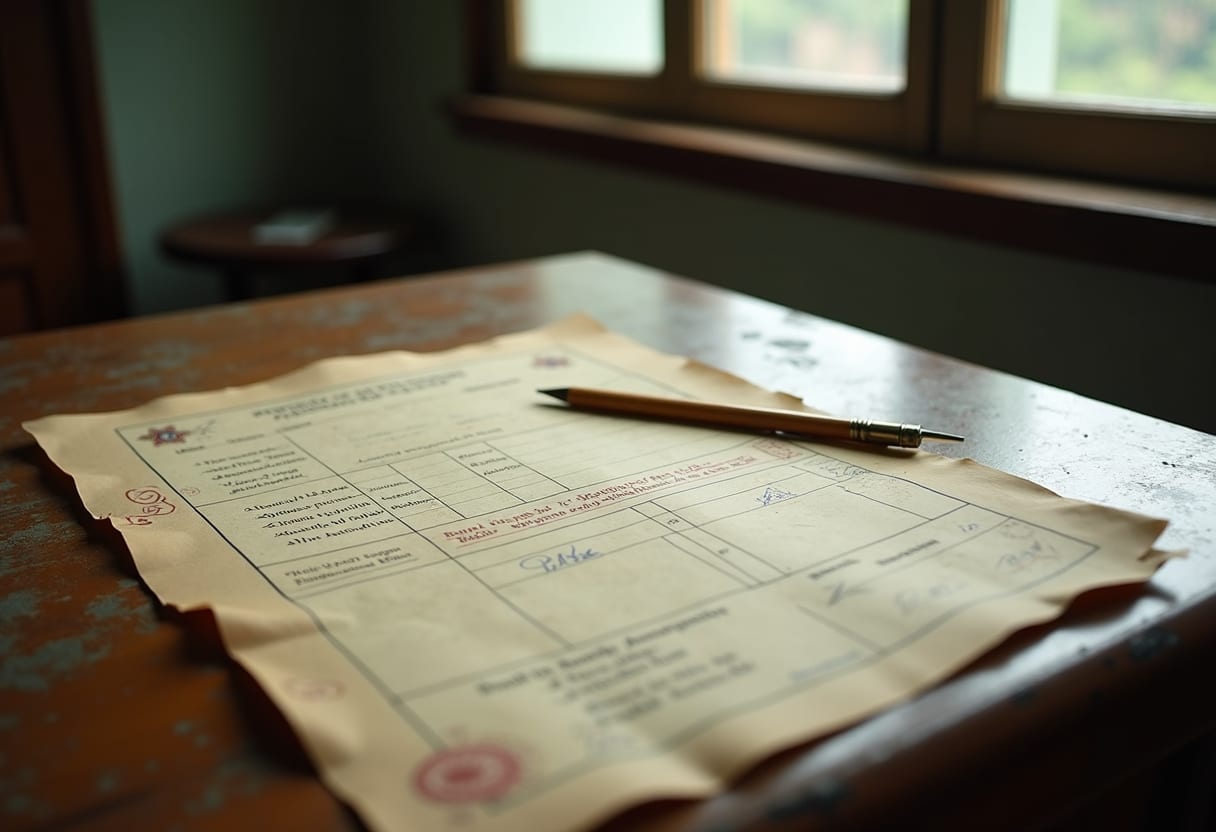
Think of khatiyan like your land's birth certificate. It's the primary record that proves who owns what piece of land in your village. Every plot, every boundary, every owner's name - everything gets recorded in the khatiyan.
But here's where it gets tricky. Odisha has different types of khatiyans, and each type offers different levels of protection. Some make you bulletproof against fraud. Others leave you vulnerable to clever land grabbers who know the system better than you do.
The 7 Critical Khatiyan Types in Odisha
1. Settlement Khatiyan (Bandobast Khatiyan)
This is the granddaddy of all land records. Created during British times and updated during settlement operations, this khatiyan carries maximum legal weight. If your land appears in a settlement khatiyan with clear ownership, you're sitting on gold.
Why it matters: Courts give highest preference to settlement khatiyans. Land grabbers rarely challenge these because they know they'll lose.
2. Final Record of Rights (Confirmation Khatiyan)
After settlement operations, this becomes your permanent record. Think of it as the final stamp of approval on your ownership. Once your name appears here with clear rights, it's very difficult for anyone to challenge.
Red flag: If your ancestral land doesn't appear in the confirmation khatiyan, investigate immediately. Someone might have manipulated the records.
3. Mutation Khatiyan (Updated Records)
When land changes hands - through sale, inheritance, or partition - the khatiyan gets updated through mutation. This creates a mutation khatiyan reflecting the new ownership.
The danger: Fraudsters often create fake mutations. Always verify that mutation was done legally with proper documents and fees (₹10 application fee + ₹80 user fee in Odisha).
4. Partition Khatiyan
When joint family land gets divided, each heir gets a separate khatiyan entry. This prevents future disputes among brothers and sisters.
Pro tip: Always ensure partition is done with everyone's consent and proper documentation. I've seen families destroyed over improper partition entries.
5. Conversion Khatiyan (Land Use Change)
When agricultural land converts to homestead or commercial use, it gets a new khatiyan classification. This is crucial for construction permissions and bank loans.
Common mistake: Building on agricultural land without conversion. This makes your construction illegal and property unsellable.
6. Consolidation Khatiyan
When small scattered plots get consolidated into larger holdings, new khatiyans are prepared. This is common in rural areas where families own multiple small pieces.
Watch out: Ensure all your scattered plots are correctly included. Missing plots during consolidation means losing them forever.
7. Special Settlement Khatiyan
For government lands allotted to individuals, cooperative societies, or institutions. Common for rehabilitation colonies and government housing schemes.
Key point: These come with specific conditions. Violating conditions can lead to land cancellation.
How to Read Your Khatiyan Like a Lawyer
Before we panic, let's understand what's actually happening when you look at your khatiyan. Each column tells a story:
- Plot Number (Dag Number): Your land's unique identity
- Khata Number: Links you to the revenue records
- Area: Total land you own (in acres/decimals)
- Classification: Agricultural, homestead, or commercial
- Rights: What you can legally do with the land
- Tenant Details: If someone else cultivates your land
The solution is simpler than you think. Cross-check these details with your actual possession and usage. Mismatches indicate problems that need immediate attention.
Red Flags That Signal Khatiyan Fraud
Let me share something that could save you lakhs. Watch for these warning signs:
- Names spelled differently in various documents
- Plot numbers don't match between khatiyan and sale deed
- Area calculations are wrong - total doesn't add up
- Multiple people claiming ownership of same plot
- Recent mutations without your knowledge
- Missing revenue stamps or signatures
- Khatiyan dates seem suspicious
This sounds scary, but here's the good news: catching these early prevents major losses.
Getting Your Khatiyan: Step-by-Step Process
Here's the exact process we follow for every client:
- Visit Tehsildar office with identity proof
- Pay prescribed fees - ₹10 application + ₹80 user fee
- Provide plot details - village, district, dag number
- Collect certified copy within 7 days (ORTPS timeline)
- Verify all details before leaving the office
Speed Post option: Add ₹40 to get khatiyan delivered home
Protecting Your Family's Future
I've seen too many families lose everything because they didn't understand their khatiyan. Your land record isn't just government paperwork - it's your family's security.
Here's what smart families do:
- Keep certified copies of all khatiyan types
- Check records every 2-3 years for unauthorized changes
- Ensure all family members know the plot details
- Update records immediately after any transaction
- Never ignore mutation notices from revenue department
Remember, knowledge is your best protection. Understanding your khatiyan type gives you power over fraudsters who count on your ignorance. Take control today - your children will thank you tomorrow.