

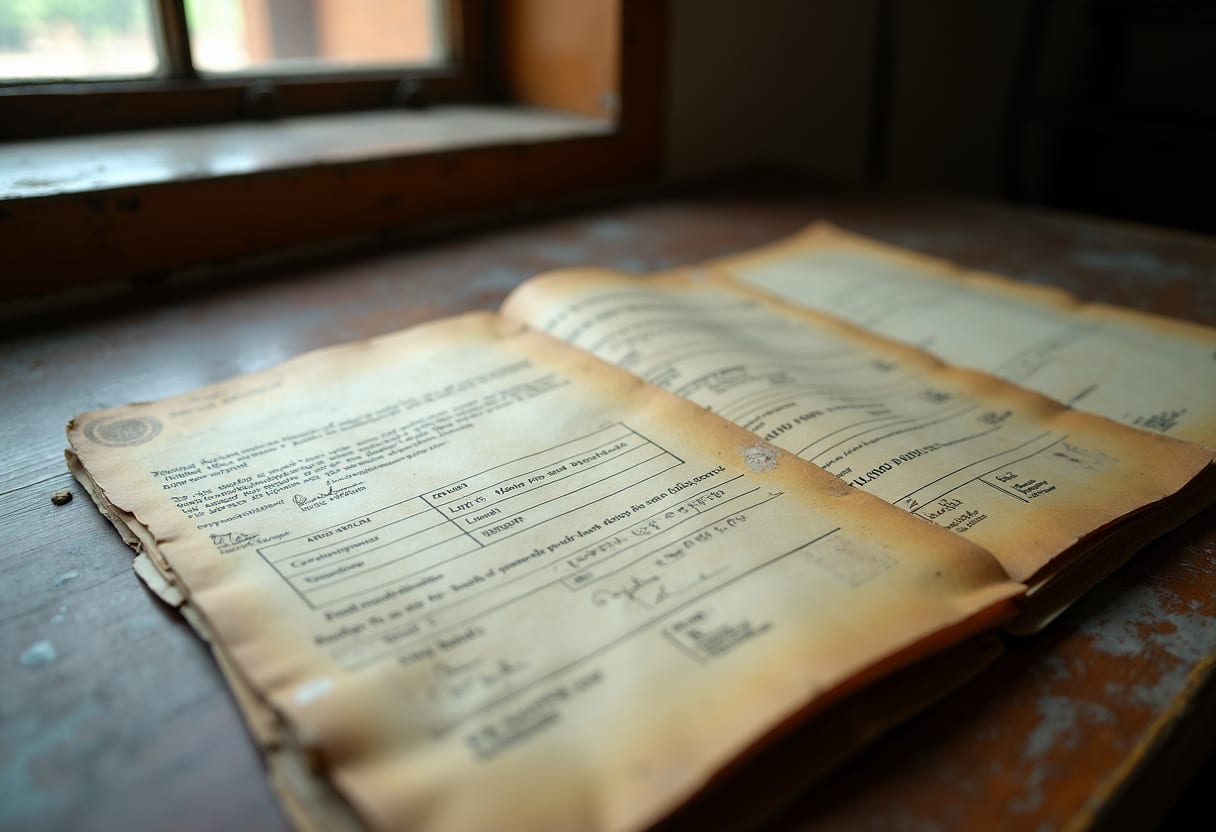
Picture this: 3 AM. A knock on the door. Your buyer is furious. The plot they paid for? Already sold. The ROR you relied on? A masterful forgery. This is the reality for too many in Odisha. This isn't just about a bad title. It's about lives ruined. It's about dreams turning to dust. In 2026, the stakes are higher. The scams are more sophisticated. You need to know the patterns. You need to know how to spot the fakes. This isn't a game for amateurs. This is about protecting your future. Your investment. Your peace of mind. This guide is your shield. The pattern starts with a seemingly perfect ROR. It ends with a knock on the door. The cost of a single mistake can be a lifetime of savings.
The Siren Song of a Clean ROR
The Record of Rights, or ROR (ଖତିୟାନ - Khatiyan), is supposed to be the bedrock of land ownership. It lists the owner, the plot details, and any liabilities. A genuine ROR, issued by the Tahasildar's office, is your green light. But fraudsters know this. They exploit this trust. They create RORs that mimic the real thing perfectly. The paper looks right. The seals appear authentic. The ink is fresh. But the data? It's a lie. An ROR can be issued for a plot that was already sold. Sometimes twice. A sub-registrar’s seal can be expertly faked and the mutation records altered, all before the ink on your sale deed can even dry. This is where your title verification journey must begin. Don't skip this crucial step. Your future depends on it.
Pattern One: The Phantom Mutation
This is a classic. The ROR shows a previous owner. But the mutation entry, supposedly transferring ownership to the seller, is missing. Or worse, it's been backdated. The mutation process (ଖୋର୍ଦ୍ଧା ମ୍ୟୁଟେସନ - Khordha Mutation) is designed to update the land records after a sale. If this step is skipped or faked, the ROR doesn't reflect the true ownership. Consider a property with a clear ROR where the sale deed is years older than the mutation entry in the Bhulekh portal (IGR Odisha (Inspector General of Registration)). A gap like that can allow the original owner to sell the land again, and the new buyer loses their money. Cross-referencing the entry with the Tahasildar's original application logs is how a forged mutation entry is traced.
Pattern Two: The Encumbrance Ghost
An Encumbrance Certificate (EC) shows if a property has any legal dues or liabilities. Think mortgages, liens, or court cases. A clean EC is vital. But fraudsters can manipulate these too. They might obtain an EC for a period before a crucial transaction. Or they might forge the EC itself. A property may have been mortgaged to a bank years ago, with the mortgage never released, and yet a new ROR and EC are generated showing the property as free. This is a dangerous game. The original mortgage still stands. The new buyer is left holding the bag. The banks eventually step in. This is why checking the chain of title is non-negotiable. You need to see every link.
Pattern Three: The Sabak vs Hal Deception
Odisha has two types of land records: Sabak (old) and Hal (current). Sabak records are from before the digital Bhulekh system. Hal records are the updated, digital ones. Sometimes, fraudsters present a Sabak ROR, claiming it's the valid one. They might even fake a 'correction' entry to match their narrative. The Hal records, however, show a different owner. This is particularly prevalent in older, less digitized areas. The discrepancy can be subtle. The plot number might look similar. The name might be misspelled. But the underlying ownership is different. A seller may present an old Sabak ROR while the Hal ROR, accessible via the Bhulekh Odisha portal, clearly shows the land belongs to someone else. A buyer who pays on the Sabak record can lose their money.
Pattern Four: The Forged Stamp Duty Receipt
Every Land Transaction Requires Stamp Dutyglossarystamp-Duty Payment
Every land transaction requires stamp duty payment. This is a significant cost. Fraudsters might present fake stamp duty receipts. This doesn't directly affect the ROR itself, but it's part of the overall scam. It signals a disregard for legal process. It indicates a willingness to deceive. If they fake stamp duty, what else are they faking? This pattern often accompanies forged sale deeds or mutation documents. The goal is to make the entire transaction appear legitimate. But the fake receipt is a crack in the facade. It's a warning sign that should make you pause. Always verify stamp duty payments through official channels (IGR Odisha fee schedule). The IGR Odisha website can help with this.
Pattern Five: The 'Multiple Owners' Problem
Sometimes, the ROR correctly lists multiple owners. But the sale deed only involves one of them. Or worse, it claims all owners sold the property, but only one actually signed. This creates a legal quagmire. The other co-owners can later claim their share. Consider a plot jointly owned by four siblings. One sibling, acting alone, sells the entire plot. The ROR shows all four names. The sale deed is executed by just one. The other three siblings can later file a case, demanding their rightful share, and the buyer can end up in court for years, losing not just money but also their peace. The ROR itself is correct; the sale deed is the fraud.
Protecting Yourself in 2026
The landscape of land fraud in Odisha is constantly evolving. But the core principles of verification remain the same. You need to be diligent. You need to be informed. Don't rely solely on the seller or their agent. Always conduct your own independent checks. Start with the Bhulekh portal. Cross-reference the ROR with the mutation status. Check the Encumbrance Certificate (EC) for liabilities. Understand the difference between Sabak and Hal records. If anything feels off, it probably is. The paperwork looked clean. Too clean. That's when you need to dig deeper. Remember, the ROR is just one piece of the puzzle. You need to verify the entire chain of title. This includes all previous sale deeds, mutation records, and encumbrance certificates. Don't be afraid to ask questions. Don't be afraid to demand proof. Your vigilance today prevents a tragedy tomorrow.
The Trail Can Be Traced
The trail can be traced. The truth can be found. But it requires expertise. It requires knowing where to look. It requires understanding the patterns. The documents told a different story. The story of loss. The story of betrayal. But it doesn't have to be your story.
A Checklist for ROR Verification
Here’s what they don’t want you to know. The simple steps that can save you from ruin. These are the non-negotiables for any land purchase in Odisha in 2026. 1. Verify the ROR Source: Ensure the ROR is from the official Bhulekh portal or the Tahasildar's office. Check the date of issue. 2. Cross-Reference Mutation: Does the ROR match the latest mutation entry? Look for discrepancies in names, dates, and plot numbers. This check alone can uncover phantom mutations. 3. Examine the Encumbrance Certificate (EC): Obtain an EC for a period covering at least the last 15-30 years. Look for any pending loans, mortgages, or legal disputes. A clean EC is paramount. 4. Understand Sabak vs. Hal: If a Sabak ROR is presented, meticulously compare it with the current Hal records on Bhulekh. Any deviation is a red flag. 5. Check Seller's Identity: Ensure the seller is the rightful owner as per the ROR and mutation records. Match their ID proof with the records. 6. Review Previous Deeds: If possible, review previous sale deeds to understand the property's history and any prior encumbrances. This provides a complete chain of title. 7. Consult a Local Advocate: For complex cases or high-value properties, engaging a local legal expert is crucial. They understand district-specific nuances. The process might seem tedious. But it’s the only way to ensure your investment is secure. The cost of verification is minuscule compared to the potential loss. Don't let a forged ROR be your downfall. With the right knowledge, you can avoid becoming the next victim. Your vigilance is your best defense.
Knowledge is power. And in the world of land transactions, knowledge is your ultimate protection. Don't let them take what's rightfully yours.
When the Trail Goes Cold, But the Truth Remains
Even if a document looks perfect, the official records will tell the story. The Bhulekh portal, the Tahasildar's office, the Sub-Registrar's office, these are your sources of truth (IGR Odisha SRO directory). They hold the immutable record. Fraudsters rely on your ignorance. They prey on your haste. In 2026, with digital records more accessible than ever, the manipulation has become more sophisticated. But the digital footprint is harder to erase completely. A keen eye can spot the inconsistencies. A thorough investigator can follow the digital breadcrumbs. The ROR is the first step. But it's not the last. The journey to secure land ownership is paved with verification. Don't assume. Verify. Don't trust blindly. Investigate. The future of your property rights depends on it.