

A clean digital record proves absolutely nothing about ownership. A family can lose their whole payment this way. The seller handed them a flawless green printout. The digital signature was real. The Khatiyan number matched. The main Bhulekh Odisha online check platform showed the seller as the absolute owner. But who was really behind this transaction? The land belonged to the state. The paperwork looked clean. Too clean. Fraudsters in the industrial belt have mastered a new game for 2026. They exploit the gap between physical land acquisition and digital record updates. Here is what they do not want you to know about verifying plots in the coal belt.
The Industrial Flip
Picture this: 3 PM. A dusty office in the coal belt. The air is thick with coal dust from trucks roaring down NH-55. A buyer sits across from a local broker. The broker slides a fresh printout across the desk. It is a Record of Rights from the Bhulekh Odisha portal. The plot is a prime 0.5-acre parcel right near the highway. It feels like a steal for commercial land in Angul district. The buyer checks the portal on his phone. The names match perfectly. He transfers the advance payment. Two weeks later, he goes to the Sub-Registrar office to execute the sale deed (IGR Odisha SRO directory). Then the nightmare begins. The registration is blocked. Why? Because the land does not belong to the seller. It never did. The seller used a highly sophisticated forgery technique. They manipulated the historical correlation of the land. The digital front looks flawless. The historical back-end is completely rotten. The buyer is now running from pillar to post. The broker has vanished. The advance is gone.
A buyer in this position has trusted a digital screen without verifying the physical archives, assuming the portal was the final word. Disputes like this can end up before the Orissa High Court.
What is the Sabik to Hal Problem?
The Sabik to Hal trap is a dangerous fraud pattern in Angul. Sabik refers to the old land settlement records from 1923. Hal refers to the current settlement records from 1973-1974. Every piece of land in Odisha must have a clear, unbroken chain linking the Sabik record to the Hal record. Fraudsters find government land or industrial acquired land in the Sabik records. They forge a manual correlation document. This fake document claims the land was transferred to a private individual before the Hal settlement. They bribe low-level clerks to insert this fake correlation into the physical registers. Then, they apply for a digital update. Once the fake data enters the portal, the trap is set. The digital record now shows a private owner. But the law restricts the transfer of certain lands, such as Government land and the holding of a Scheduled Tribe raiyat (Section 22 of the Odisha Land Reforms Act, 1960). The digital update does not override the statutory restriction.
Buyers look at the Hal record online and think they are safe. They never ask for the Sabik correlation. They never verify the historical transition. The fraudsters know this. They rely on your ignorance of settlement history.
Three Signs of Record Manipulation
You must know what to look for. Fraudsters leave traces. You just need to know where to shine the light. 1. The Mutation Without an Order. A legitimate mutation has a Tahasil case number and an order behind it. If the portal shows a mutation with no case number or order, be highly suspicious. Speed alone is not a sign: since 2020, when all the recorded tenants sell, the case is decided within a week without a notice (the 2020 amendment). 2. Missing Revenue Receipts. The seller has a digital RoR but cannot produce physical land tax receipts for the last ten years. Legitimate owners pay their Khajana (tax) regularly. 3. Disconnected Chain of Title. The current owner bought the land in 2024. The previous owner bought it in 2023. The owner before that is a mystery. Rapid flipping of industrial plots is a massive red flag. These signs are invisible if you only look at the current ownership page. You must dig into the transaction history. You must demand the physical parcha.
The Hidden Industrial Encumbrance
Angul is not a normal real estate market. It is a heavy industrial zone. This creates unique risks. Large tracts of land are constantly being acquired for coal mining and power projects. You must read our guide on the NTPC + MCL Acquisition Risk for Private Buyers to understand the scale of this issue. When the government acquires land for IDCO or MCL, they issue a gazette notification. However, the local Tehsil office is notoriously slow at updating the digital portal. There is often a lag between a physical acquisition order and a digital portal update. Fraudsters exploit this window. They know the land is acquired. They know the original owner has already received government compensation. But the portal still shows the original owner's name. They quickly sell the land to an unsuspecting buyer. The buyer checks the portal, sees the seller's name, and pays the money. Six months later, bulldozers arrive. The buyer loses everything.
This is why a simple online check is financial suicide in Angul. You are buying land in a zone where the ground reality changes faster than the digital database.
How to Cross Check RoR Data in 2026
You Cannot Trust A Single Source Of Truth
You cannot trust a single source of truth. You must triangulate the data. This requires cross-referencing three different government systems. First, pull the current RoR from the bhulekh.ori.nic.in portal. Note down the Khata number, Plot number, and the exact spelling of the owner's name. Do not stop there. Second, visit the igrodisha.gov.in portal. You must pull an encumbrance certificate. You are looking for Form 25. A Form 25 EC shows all registered transactions on that plot for the selected period. If the seller claims they bought it in 2020, but the EC shows no transaction in 2020, you have caught a lie. Third, you must visit the Tehsil office physically. You need to see the manual mutation register. You need to verify if the digital entry matches the physical ledger. This is the only way to catch a Sabik-to-Hal forgery. If the physical ledger has white-out marks, torn pages, or fresh ink on old paper, walk away immediately.
The Cost of Ignoring the Paper Trail
People think verification is expensive. They think hiring a professional is a waste of money. The cost of verification is nothing compared to the cost of a mistake (IGR Odisha fee schedule).
| Verification Step | Risk of Skipping This Step |
|---|---|
| Form 25 Encumbrance Certificate | Buying a plot with a hidden bank mortgage. |
| Sabik to Hal Correlation Check | Losing your whole payment to a forged settlement history. |
| Physical Tehsil Ledger Inspection | Buying government acquired industrial land. |
| Certified Copy of Sale Deed | Falling for a fake digital signature on a forged deed. |
You are risking the price of the plot to save a few official fees. It makes absolutely no sense. Fraudsters bank on your laziness. They know you will not pull the Form 25 EC. They know you will just trust the green printout.
When the Tahasildar Office Goes Quiet
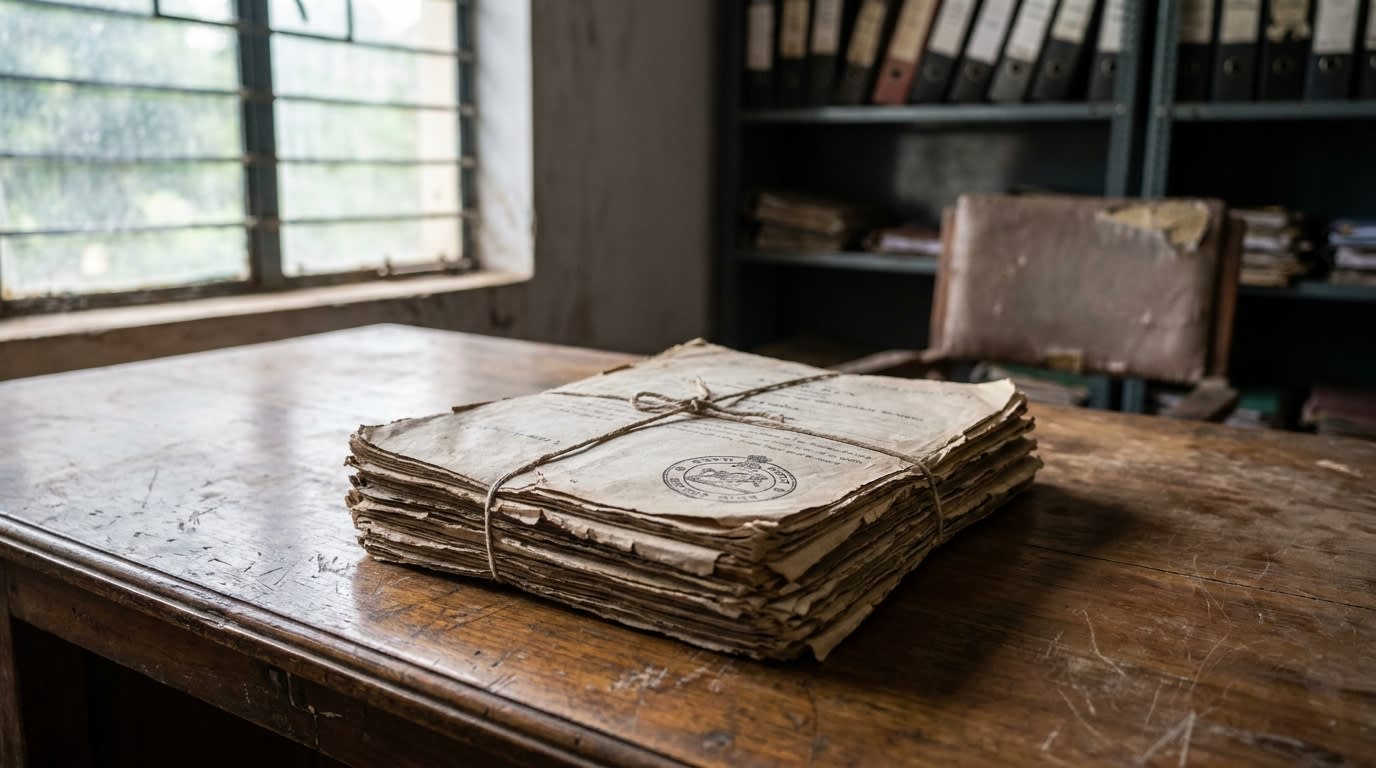
If you want to run an Angul Bhulekh Tehsil Search properly, you must understand the ground reality. Old files can go missing, and pages can be torn out. A missing file can be a sign of fraud. If the Tahasildar office cannot produce the physical chain of title, do not buy the land. Do not accept excuses about termite damage or flood loss. A missing physical record means a defective legal title. The digital portal cannot cure a defective physical title. The law is very clear on this. The physical register is the ultimate authority.
Your Next Steps Before Signing
You do not have to be the next victim. You have the power to stop this before it starts. 1. Demand the Sabik correlation. Never buy land in Angul without seeing the unbroken link to the 1923 settlement. 2. Pull a 30-year Encumbrance Certificate. Do not settle for a 12-year check. Industrial land flips often hide older encumbrances. 3. Verify the mutation process timeline. Ensure the mutation has a valid Tahasil case number and order. 4. Check the land acquisition gazette. Cross-reference the plot number with IDCO and MCL acquisition notifications from the last 24 months. The next victim could be you. Or not. Your choice.