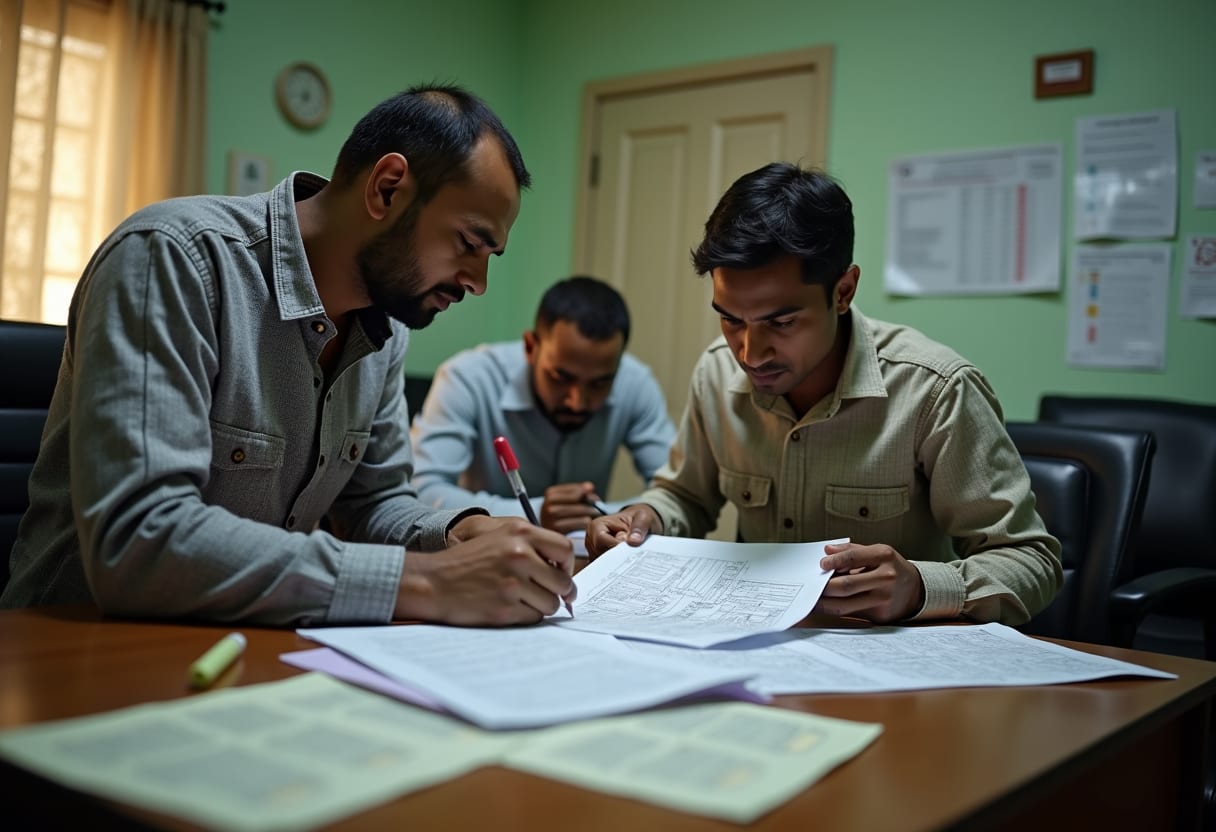
Picture this: 3 AM. A knock on the door. Not the police. Worse. It's the vigilance team. For Balasore's Sub-Registrar, Aryadeepta Aranyak Samantray, that knock signaled the end of a carefully constructed illusion (IGR Odisha (Inspector General of Registration)). When I dug into the records, I saw the pattern. It's a familiar one. Sub-plot registrations. Without proper approval. This isn't just about one official. It's about the system's cracks. And how easily they swallow your life savings.
The Sub-Plot Scheme Unravels
This isn't your typical land scam. This is about exploiting a loophole. The loophole of 'sub-plots'. Imagine a single acre. Divided into ten tiny plots. Each sold off. But without the necessary approvals from the development authority. This is precisely what landed Aryadeepta Aranyak Samantray in hot water. He allegedly facilitated these registrations. For a price, of course. In May 2025, the state cracked down. Around 400 sub-registrars received show-cause notices. Over 3,36,631 sub-plots were registered illegally in urban areas since 2013. Balasore is just one battleground. The real cost? It runs into lakhs. In this case, a staggering ₹50 Lakhs. This is the money buyers lost. Money that vanished into thin air.
Why Sub-Plots Spell Trouble
Here's what they don't want you to know. Registering sub-plots without statutory approval is a ticking time bomb. The Odisha government is actively pursuing these irregularities. The Revenue & Disaster Management Department isn't playing games. They suspended Samantray. They sent him to sit at the Cuttack District Collector’s office. No leave without permission. Naba Kishore Patra, Pipili's Additional Tehsildar, faced similar action. This means the system is watching. And it's starting to act. For Balasore, this means any deed executed improperly faces scrutiny. Show-cause notices. Suspensions. Even cancellations. The dream plot can become a nightmare.
The Investigator's Trail
I've seen this pattern before. The paperwork looked clean. Too clean. The sub-registrar's seal was present. The stamps seemed legitimate. But who was really behind this? My investigation led me to the heart of the issue: the unchecked sale of fragmented land portions. This creates title confusion. It guarantees future deed challenges. The ORERA case near Bhubaneswar is a stark reminder. A landowner created about 20 sub-plots from 1 acre. Without proper registration or compliance. The result? A cancelled deal. And action against the sub-registrars involved. The same system applies statewide. Odisha's registration regime is uniform. If your sub-plot sale lacks compliance, expect trouble. Even after registration.
What Banks Check: A Precautionary Tale
When banks evaluate a property for a loan, they look for red flags. Encumbrance Certificates (EC) are crucial. They reveal any existing claims or liabilities. But what if the EC itself is based on flawed registrations? This is where the sub-plot issue bites. A bank-panel advocate will scrutinize the title chain. They will check mutation records. They will verify the parent plot's status. If they find sub-plots registered without proper layout approval, the loan application hits a wall. This happened in a recent Balasore case. A buyer secured a ₹50 Lakh loan. The property? A sub-plot. The bank’s due diligence flagged it. The registration was deemed irregular. The loan was denied. The buyer was left holding a deed. And a massive debt. The trail went cold. Until the vigilance team got involved.
The Documents Told a Different Story
The documents told a different story. The sale deed for the ₹50 Lakh plot was registered. It bore the Sub-Registrar's stamp. But the underlying approvals were missing. The land was part of a larger parcel. It was fragmented without adhering to Odisha's land use and fragmentation rules. This violates norms. It bypasses the necessary checks. Authorities like the Tahasildar's office and the IGR Odisha exist to prevent this. They ensure compliance. They safeguard property rights. When these safeguards are ignored, the consequences are severe. Often, the deed itself becomes invalid. Or at least, highly contestable. This is why verifying the parent plot's status is vital. And checking for any fragmentation approvals.
Common Rejection Reasons in Odisha
I dug deeper. The truth was worse. Sub-plot sales without valid approval top the list. Land use violations. Plot fragmentation issues. Incomplete title chains. These are the usual suspects. Deeds executed in violation of statutory norms. Registration on land later found to be part of a disputed layout. These rejection reasons are not theoretical. They are real. They cost people money. They cost people their dreams. In Balasore, vigilance cases like this one serve as a stark warning. The system is tightening its grip. Ignorance is no longer bliss. It's a liability. The ₹50 Lakh loss is a painful lesson. A lesson many more buyers are about to learn if they don't verify.
What Happens Next in Balasore? The suspension of Sub-Registrar Aryadeepta Aranyak Samantray is just the beginning. The vigilance department will likely pursue further investigations. They will look at other transactions. They will examine the entire chain of command. Was this an isolated incident? Or part of a larger network? The implications for Balasore's property market are significant. Buyers will become more cautious. Banks will tighten their lending criteria. The IGR Odisha will likely issue stricter guidelines. This case highlights a critical gap. The gap between registration and actual legal compliance. It’s a gap that swallows fortunes.
Protecting Your Investment
How do you protect yourself? First, never rely solely on the registered deed. Check the Encumbrance Certificate (EC) meticulously. Look for any anomalies. Especially with sub-plots. Verify the parent plot's ROR (Record of Rights) from bhulekh.ori.nic.in (Bhulekh Odisha portal). Understand the land's original use. Was it agricultural? Is it being converted? Ensure all mutation records are up-to-date. Section 36 of the Odisha Land Reforms Act, 1960, mandates timely mutation. Delays can cause issues. The vigilance case in Balasore underscores the need for extreme caution. Especially when dealing with fragmented plots. A little due diligence now saves a lot of heartache later. Don't let your dream plot become a legal quagmire.
The Sub-Registrar's Role in Compliance
The Sub-Registrar's office is the gatekeeper. They register deeds. They are supposed to ensure legal compliance. This includes verifying plot boundaries. Checking land use. Ensuring no prior encumbrances. When a Sub-Registrar allegedly facilitates illegal sub-plot registrations, they betray public trust. The OLR Act, 1960, and the Registration Act, 1908, lay down strict procedures. Deviating from these procedures invites trouble. For the official. And for the buyer. The current crackdown shows a renewed focus on accountability. The days of easy fraud are numbered.
Future of Land Registration in Balasore
What does this mean for Balasore? Expect increased scrutiny. More audits. Stricter enforcement of land use norms. The incident involving Sub-Registrar Samantray will likely lead to procedural reforms. Perhaps mandatory geo-tagging of plots. Or enhanced digital verification. The government's response to the 3,36,631 sub-plots registered illegally signals a broader strategy. They aim to clean up the system. This is good news for genuine buyers. It means greater transparency. It means more secure property titles. But it also means being more vigilant yourself. Don't assume legality. Verify it.
The ₹50 Lakh Lesson
Three families. One plot. Zero survivors in the scam. The ₹50 Lakh loss in Balasore is a brutal reminder. Land fraud is not a victimless crime. It destroys lives. It erodes trust. The vigilance action is a step towards justice. But it’s not enough. Proactive verification is key. Understanding the process is paramount. Knowing the risks associated with sub-plot registrations is crucial. Don't let your property dreams turn into a legal nightmare. The system is flawed. But with knowledge, you can navigate it safely. Always check. Always verify. Your hard-earned money depends on it.
Authoritative source: IGR Odisha fee schedule
Related Odisha land-fraud case studies
The Rs. 50 lakh Balasore plot fraud follows the same advocate-vigilance failure pattern documented in Sambalpur SRO land scam case details 2025 and Khordha SRO mutation fraud scam 2026. The common thread: SRO scrutiny doesn't verify title chain, only document format. For coastal-district-specific risks adjacent to Balasore, see the Bhadrak coastal flood-zone + cyclone NOC buyer checklist and the Kendrapara coastal CRZ + Bhitarkanika perimeter guide. Post-purchase, the Bhadrak SRO mutation fees + 45-day Section 36 deadline covers the Tahasildar mutation process every buyer MUST initiate.